Adam Ivey
Marion's Merry Men
Volunteer Militia Man
Adam Ivey was born in 1761 near Lumberton on Drowning Creek in Robeson County, North Carolina. When he was about nine or ten years old, his family moved to the Marion District of South Carolina, near Marrs Bluff. As a young teenager, Ivey experienced the beginning of the American Revolution and soon chose to join the fight.
At the age of fifteen, he volunteered to serve in the South Carolina militia under Lieutenant Scott. His first service took him to Haddrell’s Point near Charleston, where he remained for several months. After becoming sick, he returned home to recover but later went back to Charleston and joined the American forces commanded by General Benjamin Lincoln.
In 1780, the British captured Charleston. During the fall of the city, Ivey was taken prisoner and held on parole for about ten months. After a prisoner exchange in 1781, he returned to military service and joined the famous partisan leader General Francis Marion, also known as the “Swamp Fox.” Ivey served in Marion’s brigade for about three years and took part in fighting near Parker’s Ferry on the Edisto River. During this time, he and his fellow soldiers fought in several skirmishes against British troops, Loyalists, and their allies until the war ended in 1783.
After the war, Ivey lived in South Carolina for many years and later moved to Montgomery County, Alabama. In 1835, at the age of seventy-four, he applied for a Revolutionary War pension based on his service. Although witnesses confirmed that they had known him as a soldier under General Marion, his pension application was ultimately rejected.
Records show that Adam Ivey was the head of a household in Sumter District, South Carolina, in the early 1800s. Later in life, he lived in Alabama, where he died sometime before 1852. His sons later filed claims related to his military service, hoping to receive the pension he had sought for his years of fighting in the American Revolution.
He answered the call of liberty in a divided world.
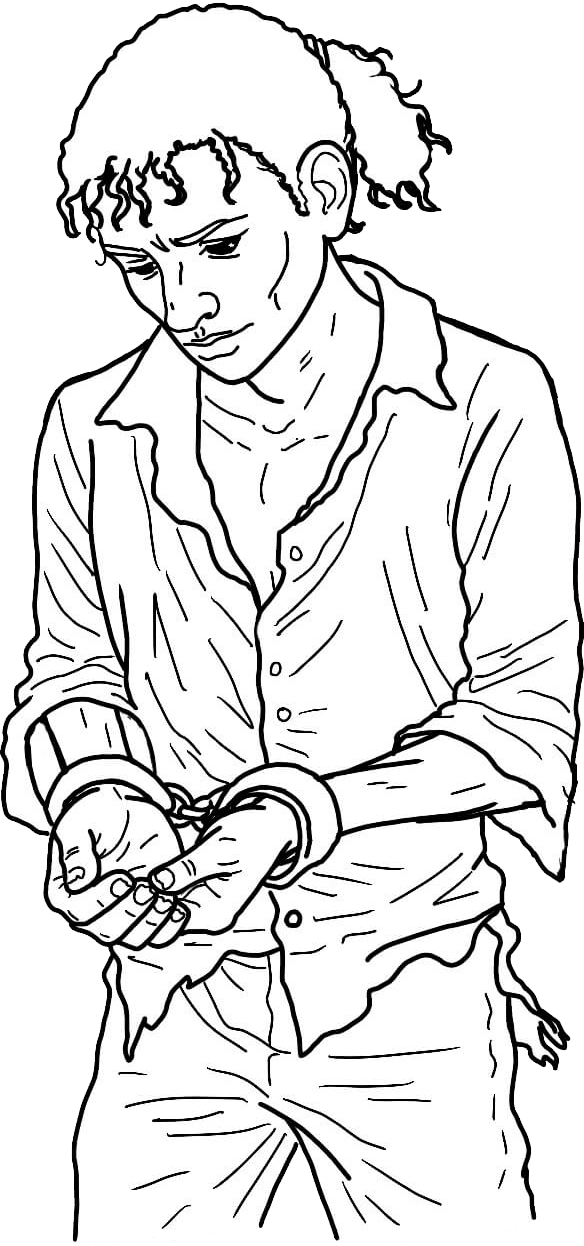
Description of Adam Ivey
Adam Ivey was just fifteen years old in 1776, making him one of the youngest individuals to serve in the ranks of Francis Marion. Of mixed ancestry, he likely presented predominantly European features, with subtle indications of African or Indigenous heritage. Census records over time reflect changing classifications of his identity, listing him as “free other,” later “free colored,” and eventually as white. These shifts highlight the fluid and often inconsistent nature of racial categorization in the post-Revolutionary period. Following the Siege of Charleston in 1780, Ivey was taken prisoner and remained in captivity for approximately ten months, possibly aboard one of the prison ships used during the conflict. Upon his release, he would likely have appeared gaunt and physically weakened, bearing the effects of prolonged deprivation. His clothing would have reflected the hardships he endured—likely consisting of worn and patched militia garments such as a hunting shirt, breeches, and well-used shoes in poor condition.